- Year
- 2026
- Type
- Smart telescope
Telescope
Notes and pictures from stargazing with a smart telescope – galaxies, nebulae, a star cluster and the ISS racing across the Sun.
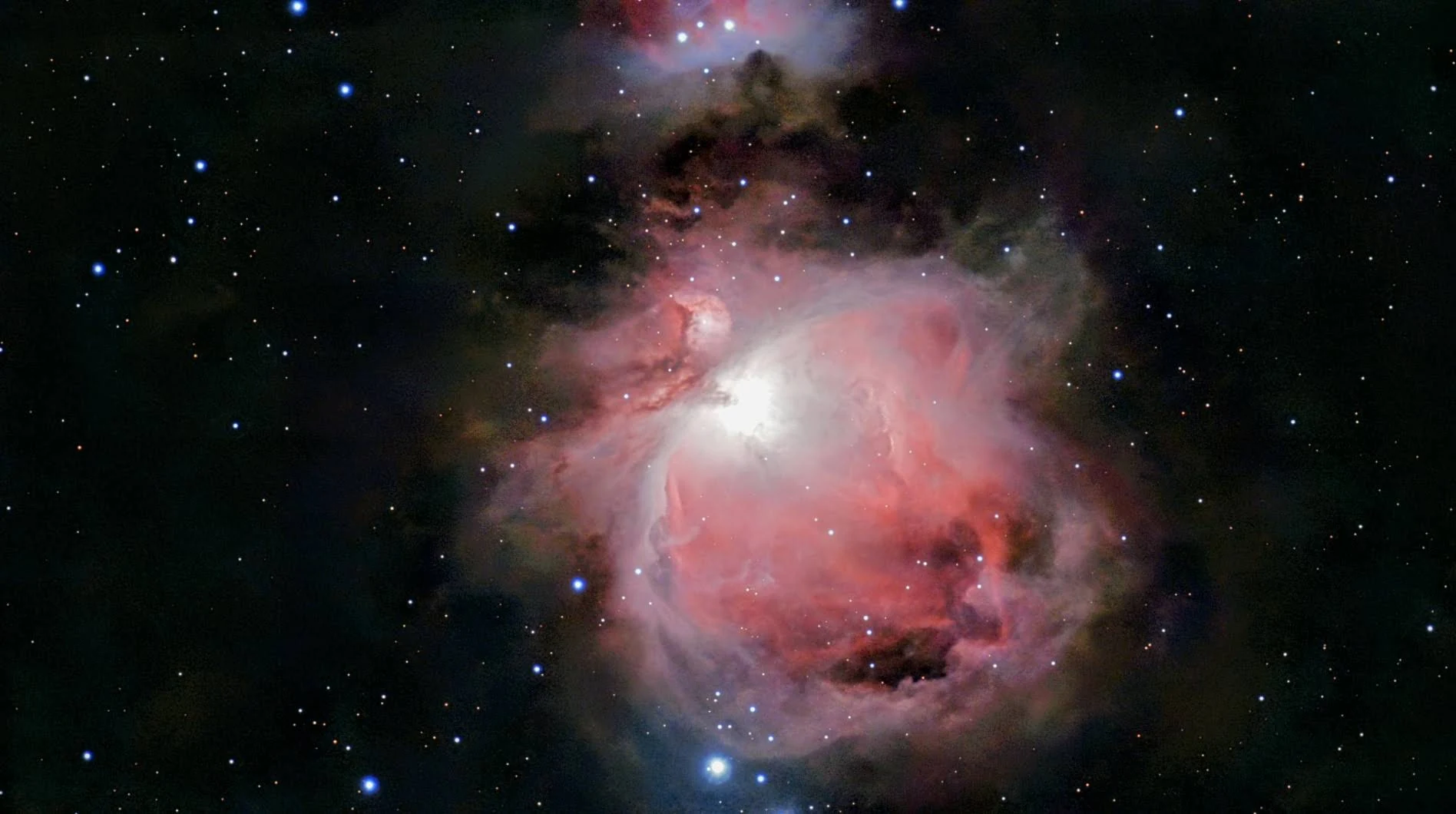 The Orion Nebula (M42), photographed in the early morning of 15 October 2026.
My telescope is a DWARF mini that I bought used – and I’m still impressed by what this little thing can do. Like all smart telescopes it does most of the hard work on its own: it finds its position, points at the target, tracks it across the sky and stacks dozens of short exposures into one image while you watch it slowly come out of the noise. Here are my favourite results from the first weeks.
Gear
- DWARF mini – a compact smart telescope with a built-in camera and automatic stacking, controlled from the phone
- Sky-Watcher AZ-GTi – an older computerised alt-azimuth mount (Wi-Fi, GoTo), carrying a small 150 mm telescope
Andromeda Galaxy – M31
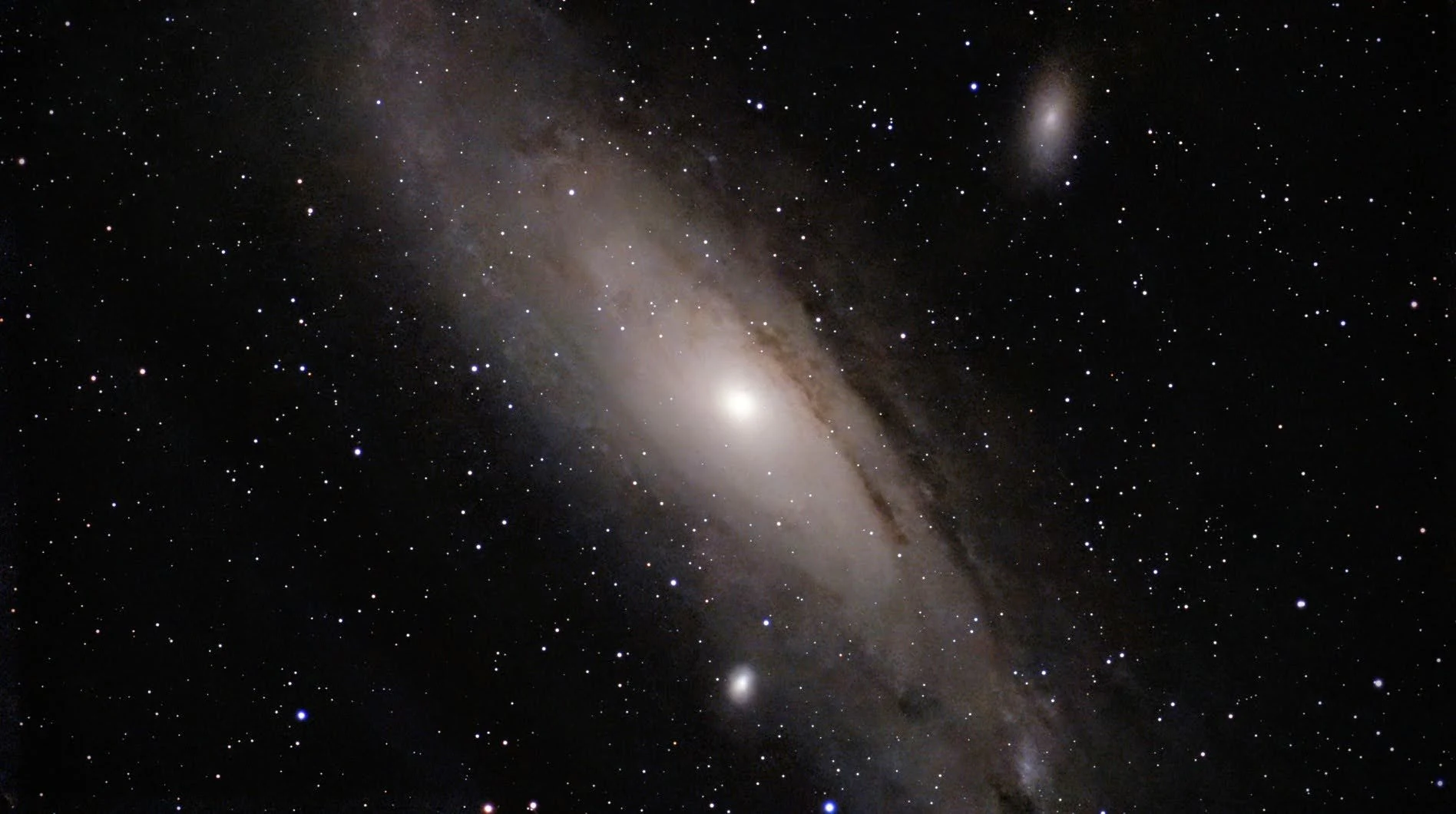 6 October 2026. Our neighbouring galaxy, about 2.5 million light years away.
Pinwheel Galaxy – M101
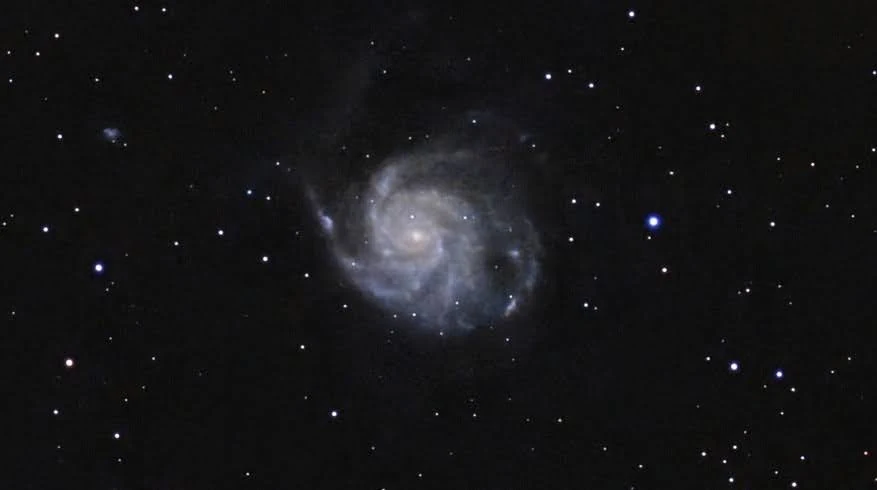 7 October 2026. A face-on spiral galaxy in Ursa Major, roughly 21 million light years away.
Pleiades – M45
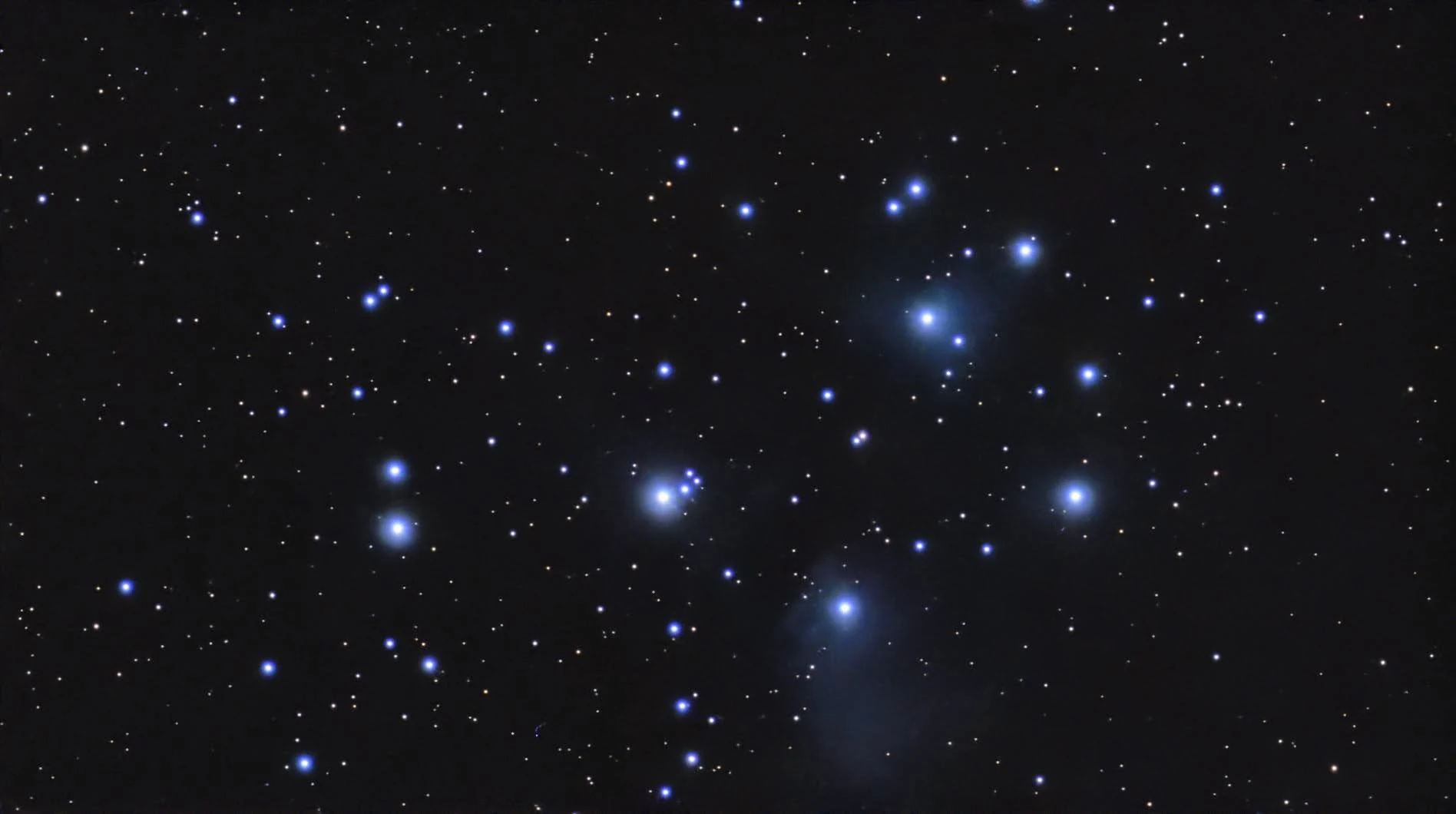 29 October 2026. The Seven Sisters, an open cluster of young, hot stars about 440 light years away.
ISS transit across the Sun
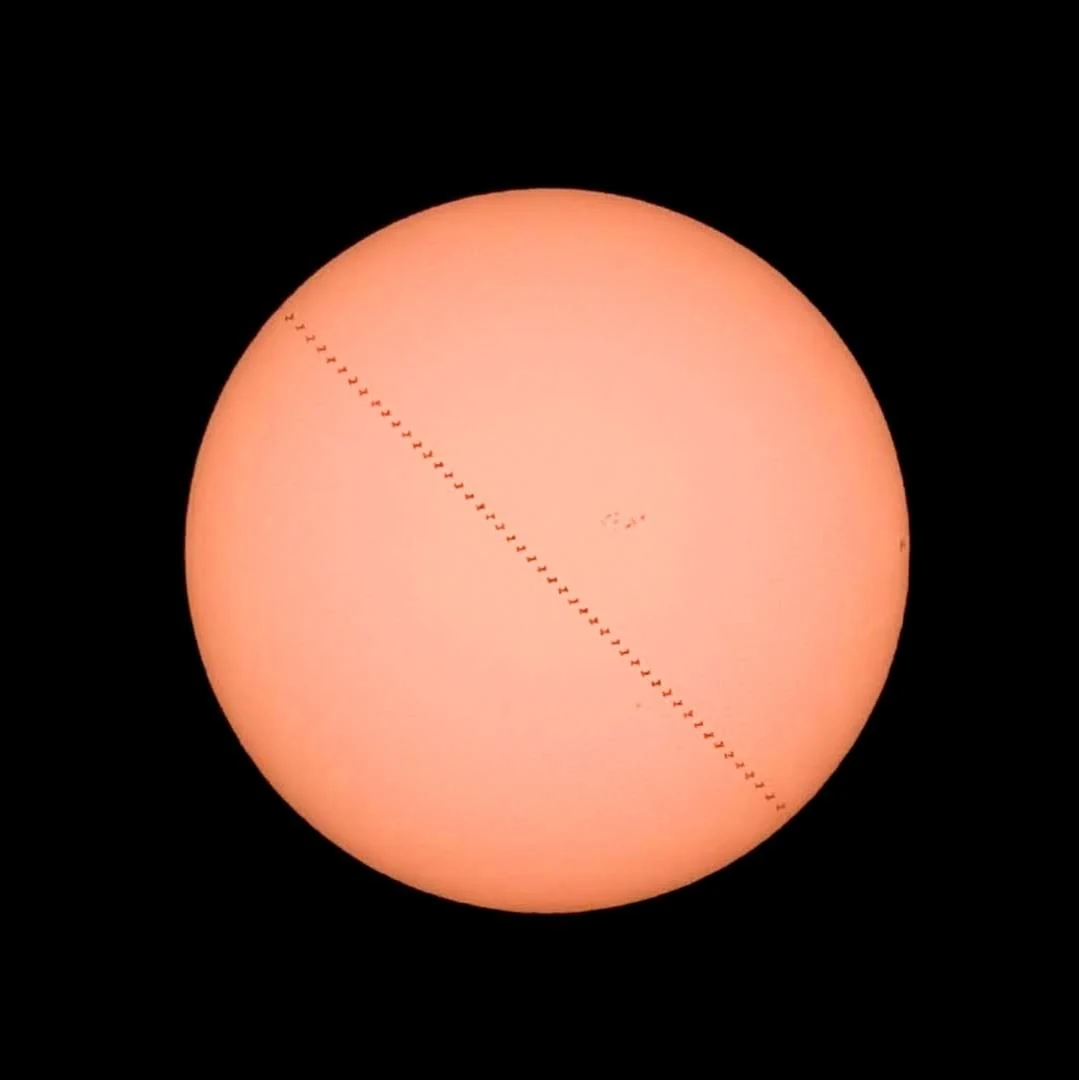 The International Space Station crossing the face of the Sun – 85 frames stacked into one image with StarStaX. The whole transit takes less than a second. A small group of sunspots is visible as well.
The highlight so far, and the one that needed the most planning: the ISS only crosses the Sun from a narrow strip on the ground, so you have to know the exact time and be in the right place.